

Is there a drain blockage in your home? Here are six fuss-free ways to get them sorted in minimal time.
Blocked drains are a nightmarish affair, and it’s one of the most common reasons to call a plumber. While some blockages may seem minor, they can overflow and affect the plumbing in your home, causing bigger headaches in the future.
So how do you know if your drain is blocked? Here are some telling signs:
- You hear gurgling noises in your drain
- Water seems slow to drain from your sink, shower and bathtub
- The water levels in your toilet may look lower than usual
- You notice a foul or pungent smell coming out from your drain or toilet
If there are any of these signs in your home, it’s highly likely your drain is blocked. But don’t panic just yet! Instead, follow these easy steps.
1. Pour boiling water down your drain
This should be one of the first steps you try to unclog a blocked drain. Boiling water helps break up any grease and oils in the drains, and they could help remove the blockage. In fact, we recommend pouring boiling water down your sink regularly to avoid grease build-up.
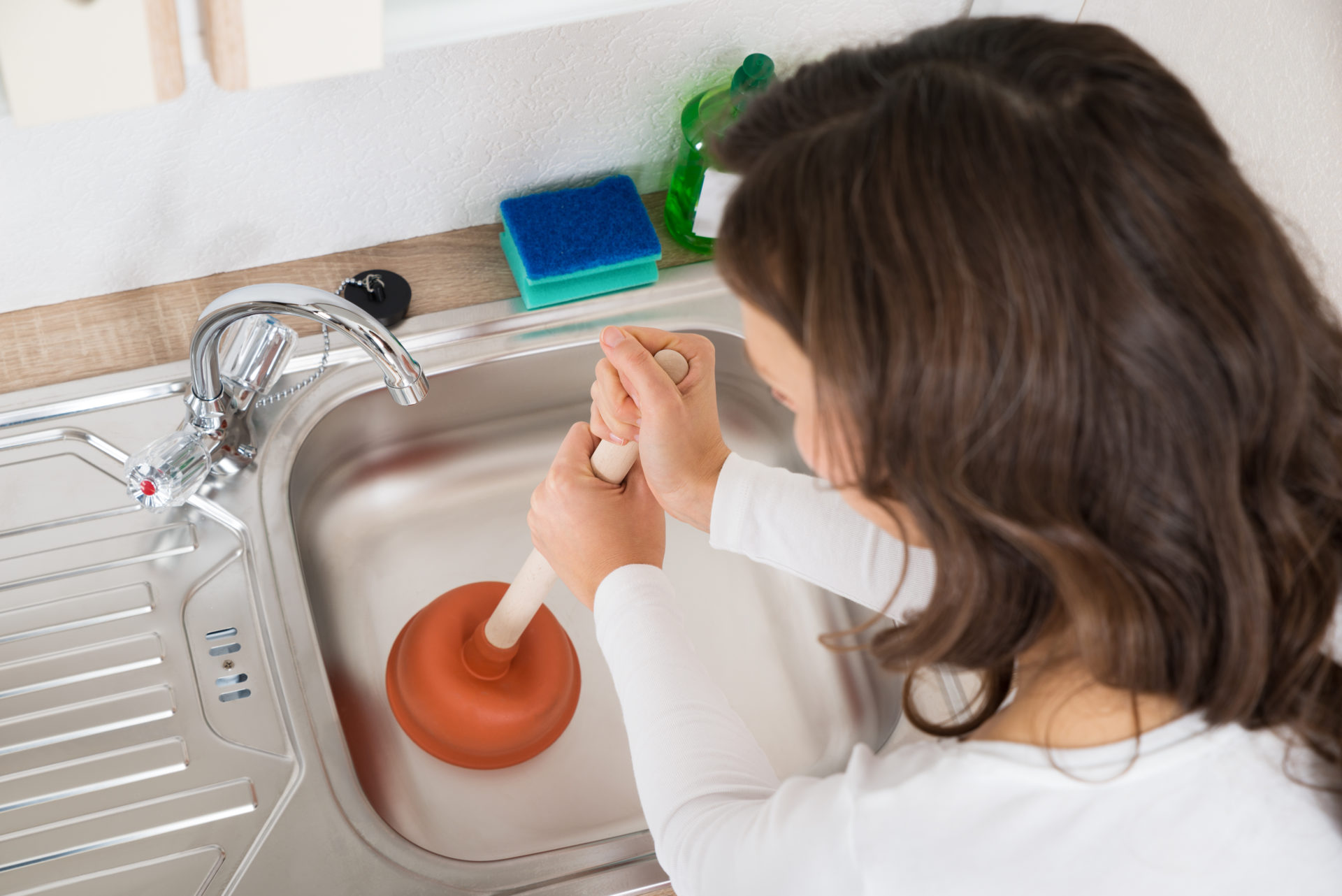
2. Use a plunger to remove the blockage
A trusty plunger can remove smaller drain blockages, so try using it as an alternative. Plungers provide a vacuum effect through the pipes to clear away the clogs, making it a simple yet efficient tool.
3. Use chemical drain cleaners
Store-bought chemical drain cleaners may be a stronger choice for tough drain blockage. However, these cleaners may cause corrosion and are harmful to the environment. So always use a glove and follow the instructions before using them.
4. Bicarbonate soda and vinegar
A possible alternative to drain cleaners is using your own household products as a mix. For example, you can pour one cup of baking soda down the drain, followed by a cup of vinegar and hot water after a few minutes. This acid-based reaction may help to unclog your blocked drains.
5. Clean the pipe
Sometimes, clearing the U-shaped pipe underneath the sink may help unblock your drain. So try cleaning it and removing any trapped debris or content inside the pipes and use a bucket to avoid any messy spillage in your home.
6. DIY Wire hanger
If you have a thin metal wire or a coat hanger, this can be used as a DIY drain snake. Insert your DIY snake into the plughole and try to fish out any blockages with the hook.
7. When all else fails – call a plumber
Sometimes, despite our best efforts, some drains just need a plumber’s touch, so don’t hesitate to call Seaview Plumbing!
Contact us to service your blocked drains in Adelaide or call us at 1300 634 308 for any emergency plumbing request.
FAQ's to help you
Slow drains, strange smells, or gurgling noises? You might have a drain blockage. Here’s some common questions about blocked drains and how we can help.
What are the common causes of blocked drains?
Blocked drains don’t just happen—they build up over time. Hair, grease, soap scum, tree roots, and even the odd toy (yes, it happens!) can all be culprits. If your drain is slow or smells funky, it might be time to call in the experts.
How do I know if my drain is blocked?
If water is draining slowly, your sink is making weird gurgling noises, or there’s an unpleasant smell wafting up, you’ve probably got a blockage. The good news? Seaview Plumbing can clear blocked drains before they get worse!
Can I clear a blocked drain myself, or do I need a plumber?
You can try a plunger for minor blockages, but avoid harsh chemicals—they can do more harm than good. For stubborn clogs, it’s best to call a local plumber. Our team uses professional tools (like hydro-jetting and drain cameras) to get your pipes flowing again.
What methods do plumbers use to unblock drains?
At Seaview Plumbing, we use special equipment to tackle blocked and clogged drains. This includes:
- Drain cameras to find the problem.
- Hydro-jetting to blast away stubborn debris.
- Drain snakes to clear solid blockages.
How can I prevent blocked drains in the future?
A few simple habits can save you from future headaches:
- Avoid pouring grease or coffee grounds down the sink.
- Use drain covers to catch hair and food scraps.
- Get your drains professionally cleaned every so often (we can help with that!).